International concern is growing following the life imprisonment sentences handed down to prominent Baloch rights activist Mahrang Baloch and fellow activist Sibghatullah Shah by an anti-terrorism court in Pakistan's Quetta.
The verdict, delivered on June 22, has drawn sharp criticism from international rights organizations, including the International Human Rights Foundation and Amnesty International, both of which argue that the trial failed to meet internationally recognized standards of justice and due process.
According to rights groups, the two activists were convicted in connection with the death of a member of Pakistan's Frontier Corps during protests held at the Baloch National Gathering in July 2024. The court reportedly convicted them under murder provisions of the Pakistan Penal Code and anti-terrorism legislation.
The International Human Rights Foundation described the ruling as a "miscarriage of justice" and alleged that the proceedings were conducted in a manner that prevented the accused from fully exercising their legal rights. The organization stated that the trial was held within prison premises and raised concerns over restrictions on cross-examination, defense preparation, and public scrutiny.
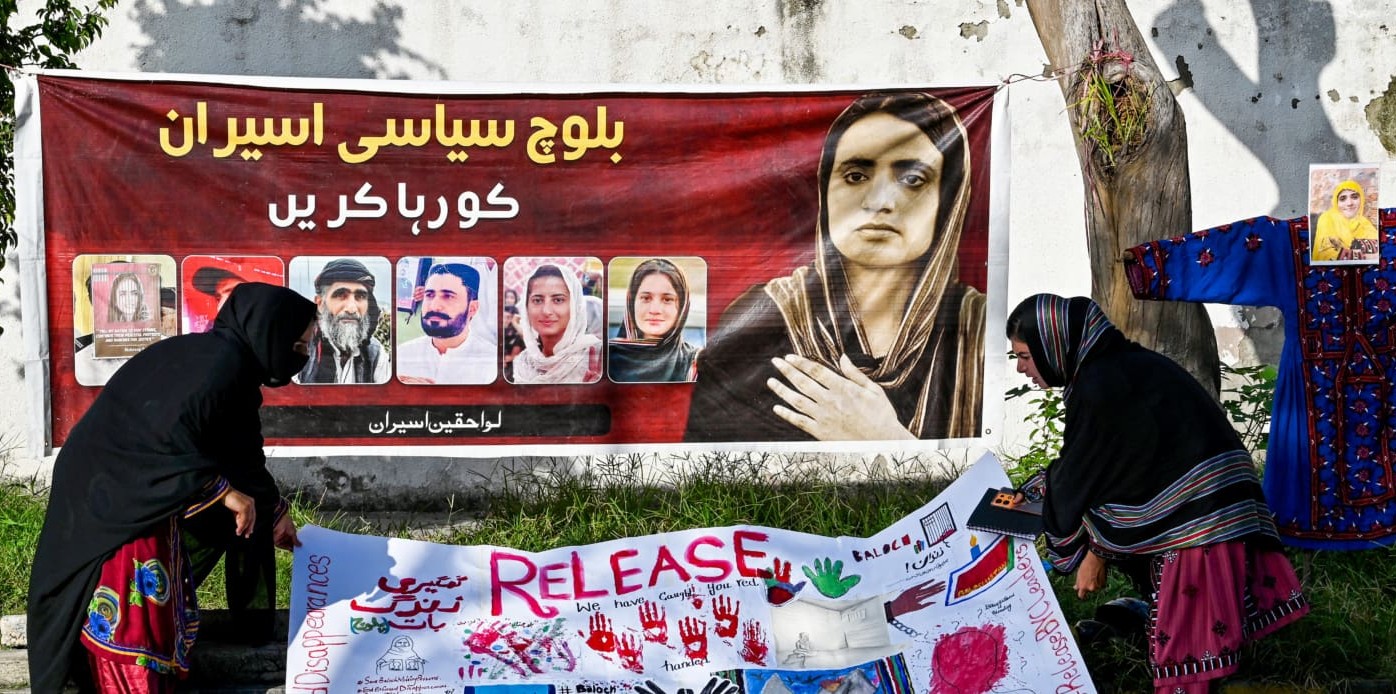
Dr. Mahrang Baloch has emerged over recent years as one of the most prominent voices advocating for the rights of people in Balochistan. As a leader of the Baloch Yakjehti Committee, she has campaigned against enforced disappearances, alleged extrajudicial killings, and other issues affecting local communities.
Amnesty International also criticized the verdict, claiming that no direct evidence was presented linking either activist to the alleged killing. The organization stated that the convictions followed what it described as an expedited secret trial and argued that anti-terrorism laws were being used to suppress peaceful activism.
According to Amnesty, Mahrang Baloch was arrested in March 2025 following a protest sit-in and subsequently faced numerous anti-terrorism cases across different jurisdictions. The organization said the volume of cases complicated legal representation efforts and raised concerns about access to a fair defense.
Human rights advocates further allege that both activists boycotted portions of the trial, citing concerns regarding judicial impartiality and procedural fairness. Reports indicate that a state-appointed lawyer represented them during later stages of the proceedings, while participation was reportedly limited to video-link appearances.
The case has intensified international scrutiny of Pakistan's human rights record and treatment of political activists. The IHRF has urged Pakistani authorities to immediately release both activists and called on the international community, including the United Nations Human Rights Council, to closely monitor developments and seek greater transparency in legal proceedings involving human rights defenders.
Pakistani authorities have maintained that the convictions relate to criminal allegations arising from violent incidents during the 2024 protests. However, international rights groups continue to argue that the case reflects broader concerns regarding civil liberties, freedom of expression, and the protection of human rights advocates within the country.
As global attention remains focused on the outcome, the case is expected to remain a significant point of discussion in international human rights forums in the coming months.